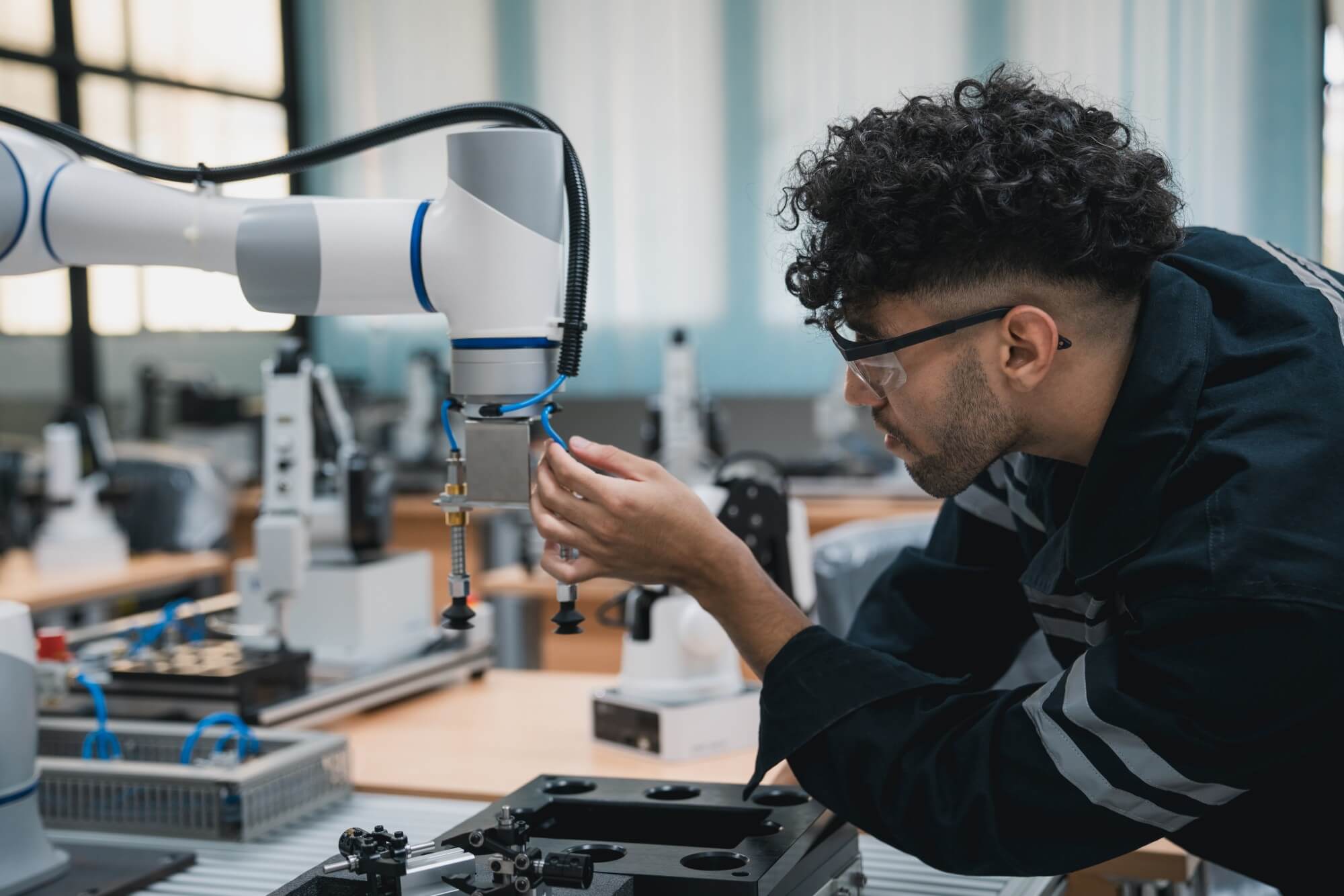

Engineering is a field that thrives on application, not just theory. While textbooks provide essential knowledge, practical learning allows students to understand how concepts work in real-life situations.
Hands-on experiences such as lab work, workshops, and field visits help students develop problem-solving skills and technical confidence. By working with tools, equipment, and real systems, students gain a deeper understanding of engineering principles that cannot be achieved through lectures alone.
Practical learning also prepares students for workplace challenges. It teaches them how to troubleshoot issues, collaborate with teams, and adapt to real-world constraints like time, cost, and resources. These experiences are crucial in shaping competent and job-ready engineers.
Another key benefit is increased engagement. Students who actively participate in projects and experiments tend to retain knowledge better and stay motivated throughout their studies. Learning becomes more interactive, meaningful, and aligned with their career goals.
At Kathmandu School of Engineering, practical learning is integrated into the curriculum through modern labs, project-based assignments, and industry exposure. This approach ensures students graduate with both knowledge and the skills needed to succeed in the engineering profession.